
Int J Mol Sci. 2024;25(5):ijms25052593.
The Role of Cilostazol, a Phosphodiesterase-3 Inhibitor, in the Development of Atherosclerosis and Vascular Biology: A Review with Meta-Analysis.
제1저자 손민지 · 교신저자 임수
소속 (1)
- Department of Internal Medicine, Seoul National University Bundang Hospital, Seoul National University College of Medicine, Seongnam 13620, Republic of Korea.
Abstract
Atherosclerotic cardiovascular disease (ASCVD) stands as the leading global cause of mortality. Addressing this vital and pervasive condition requires a multifaceted approach, in which antiplatelet intervention plays a pivotal role, together with antihypertensive, antidiabetic, and lipid-lowering therapies. Among the antiplatelet agents available currently, cilostazol, a phosphodiesterase-3 inhibitor, offers a spectrum of pharmacological effects. These encompass vasodilation, the impediment of platelet activation and aggregation, thrombosis inhibition, limb blood flow augmentation, lipid profile enhancement through triglyceride reduction and high-density lipoprotein cholesterol elevation, and the suppression of vascular smooth muscle cell proliferation. However, the role of cilostazol has not been clearly documented in many guidelines for ASCVD. We comprehensively reviewed the cardiovascular effects of cilostazol within randomized clinical trials that compared it to control or active agents and involved individuals with previous coronary artery disease or stroke, as well as those with no previous history of such conditions. Our approach demonstrated that the administration of cilostazol effectively reduced adverse cardiovascular events, although there was less evidence regarding its impact on myocardial infarction. Most studies have consistently reported its favorable effects in reducing intermittent claudication and enhancing ambulatory capacity in patients with peripheral arterial disease. Furthermore, cilostazol has shown promise in mitigating restenosis following coronary stent implantation in patients with acute coronary syndrome. While research from more diverse regions is still needed, our findings shed light on the broader implications of cilostazol in the context of atherosclerosis and vascular biology, particularly for individuals at high risk of ASCVD.
Keywords
aspirinatherosclerosiscardiovascular diseasescilostazolplatelet aggregation inhibitors
Figures


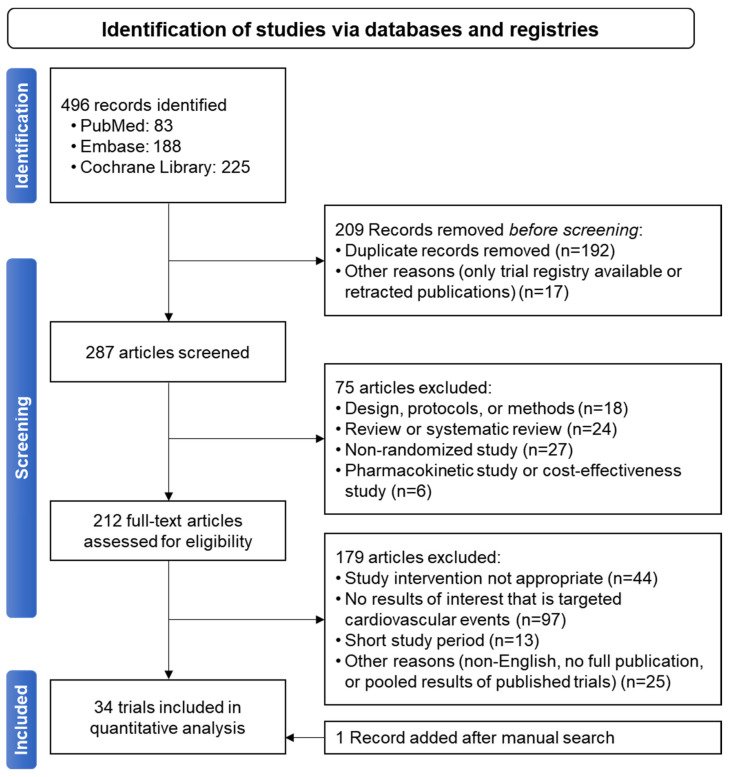
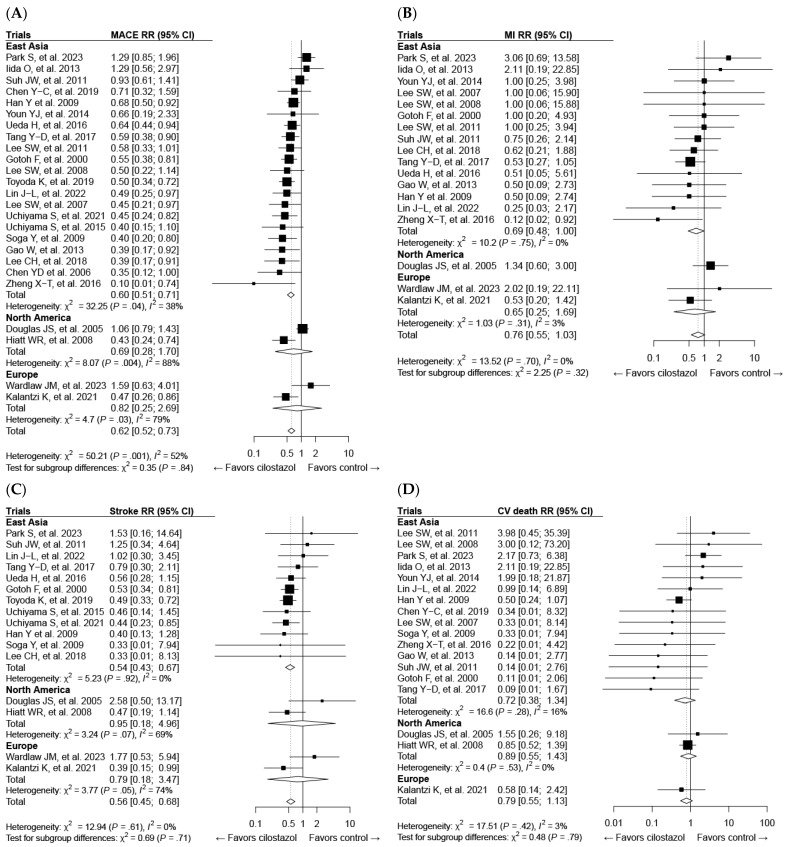
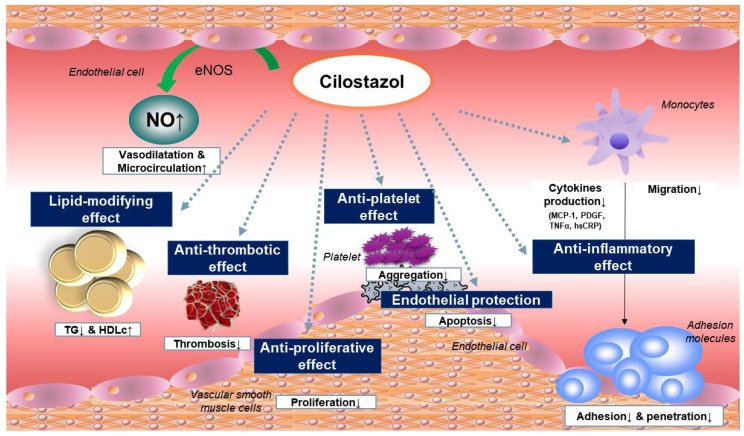
그림 출처: PubMed Central 공개 논문 (PMC10932209)
Conflict of interest statement
The authors declare no conflicts of interest.
그 밖의 정보
- 출판 형태
- Meta-Analysis, Journal Article, Review
- 저널
- International journal of molecular sciences · eISSN 1422-0067
- 전자 출판
- 2024-02-23
- MeSH
- Humans · Cilostazol · Phosphodiesterase 3 Inhibitors · Atherosclerosis* · Peripheral Arterial Disease* · Platelet Aggregation Inhibitors · Cholesterol, HDL · Phosphoric Diester Hydrolases · Biology · Tetrazoles · Drug Therapy, Combination
- Substances
- Cilostazol · Phosphodiesterase 3 Inhibitors · Platelet Aggregation Inhibitors · Cholesterol, HDL · Phosphoric Diester Hydrolases · Tetrazoles
- 참고문헌
- 147편