
Cardiovasc Diabetol. 2025;24(1):125.
Metabolomic profiling reveals early biomarkers of gestational diabetes mellitus and associated hepatic steatosis.
제1저자 정영애, 이승미 · 교신저자 황금숙, 박중신, 김원
소속 (21)
- Integrated Metabolomics Research Group, Metropolitan Seoul Center, Korea Basic Science Institute, University-Industry Cooperate Building, 150 Bugahyeon-ro, Seodaemun-gu, Seoul, 03759, Republic of Korea.
- Department of Obstetrics and Gynecology, Seoul National University College of Medicine, 101 Daehak-ro, Jongno-gu, Seoul, 03080, Republic of Korea.
- Innovative Medical Technology Research Institute, Seoul National University Hospital, Seoul, Republic of Korea.
- Medical Big Data Research Center & Institute of Reproductive Medicine and Population, Medical Research Center, Seoul National University, Seoul, Republic of Korea.
- Department of Public Health Sciences, Graduate School of Public Health, Seoul National University, Seoul, Republic of Korea.
- Seoul Women's Hospital, Incheon, Republic of Korea.
- Department of Obstetrics and Gynecology, Seoul Metropolitan Government Seoul National University Boramae Medical Center, Seoul, Republic of Korea.
- Department of Chemistry, Sungkyunkwan University, Suwon, Republic of Korea.
- Department of Radiology, Seoul National University College of Medicine, Seoul, Republic of Korea.
- Department of Radiology, Yonsei University College of Medicine, Seoul, Republic of Korea.
- Department of Internal Medicine, Seoul National University College of Medicine, Seoul, Republic of Korea.
- Division of Gastroenterology and Hepatology, Department of Internal Medicine, Seoul Metropolitan Government Seoul National University Boramae Medical Center, 20 Boramae-ro 5-gil, Dongjak-gu, Seoul, 07061, Republic of Korea.
- Department of Internal Medicine, Bundang Seoul National University Hospital, Seongnam-si, Gyeonggi-do, Republic of Korea.
- Department of Laboratory Medicine, Seoul National University College of Medicine, Seoul, Republic of Korea.
- Department of Laboratory Medicine, Seoul Metropolitan Government Seoul National University Boramae Medical Center, Seoul, Republic of Korea.
- Department of Obstetrics and Gynecology, Tufts University School of Medicine, Boston, MA, USA.
- Integrated Metabolomics Research Group, Metropolitan Seoul Center, Korea Basic Science Institute, University-Industry Cooperate Building, 150 Bugahyeon-ro, Seodaemun-gu, Seoul, 03759, Republic of Korea. gshwang@kbsi.re.kr.
- College of Pharmacy, Chung-Ang University, Seoul, Republic of Korea. gshwang@kbsi.re.kr.
- Department of Obstetrics and Gynecology, Seoul National University College of Medicine, 101 Daehak-ro, Jongno-gu, Seoul, 03080, Republic of Korea. jsparkmd@snu.ac.kr.
- Department of Internal Medicine, Seoul National University College of Medicine, Seoul, Republic of Korea. drwon1@snu.ac.kr.
- Division of Gastroenterology and Hepatology, Department of Internal Medicine, Seoul Metropolitan Government Seoul National University Boramae Medical Center, 20 Boramae-ro 5-gil, Dongjak-gu, Seoul, 07061, Republic of Korea. drwon1@snu.ac.kr.
Abstract
BACKGROUND This study aims to identify early metabolomic biomarkers of gestational diabetes mellitus (GDM) and evaluate their association with hepatic steatosis.
METHODS We compared maternal serum metabolomic profiles between women who developed GDM (n = 118) and matched controls (n = 118) during the first (10-14 gestational weeks) and second (24-28 gestational weeks) trimesters using ultra-performance liquid chromatography coupled with mass spectrometry. Mediation analysis was performed to evaluate the mediating role of metabolic dysfunction-associated steatotic liver disease (MASLD) in the relationship between metabolites and subsequent development of GDM. A refined prediction model was developed to predict GDM using established clinical factors and selected metabolites.
RESULTS Significant alterations in circulating metabolites, including amino acids, bile acids, and phospholipids, were observed in the GDM group compared to controls during early pregnancy. Mediation analysis revealed that several metabolites, including glycocholic acid (proportion mediated (PM) = 31.9%), butanoyl carnitine (PM = 25.7%), and uric acid (PM = 22.4%), had significant indirect effects on GDM incidence mediated by hepatic steatosis. The refined prediction model composed of clinical factors and selected metabolites in the first trimester demonstrated higher performance in predicting GDM development than the established prediction model composed solely of clinical factors (AUC, 0.85 vs. 0.63, p < 0.001).
CONCLUSIONS Women who developed GDM exhibited altered metabolomic profiles from early pregnancy, which showed a significant correlation with GDM, with MASLD as a mediator. Selected metabolomic biomarkers may serve as predictive markers and potential targets for early risk assessment and intervention in GDM.
RESEARCH INSIGHTS WHAT IS CURRENTLY KNOWN ABOUT THIS TOPIC?: Gestational diabetes mellitus (GDM) is a common pregnancy complication with significant health risks. Early identification of women at high risk for GDM is crucial for timely intervention and improved outcomes. WHAT IS THE KEY RESEARCH QUESTION?: What alterations in circulating metabolites during early pregnancy are associated with subsequent GDM development? Does metabolic dysfunction-associated steatotic liver disease (MASLD) mediate the association between specific metabolites and GDM risk? WHAT IS NEW?: Significant alterations in bile acids, amino acids, phosphatidylethanolamines, and phosphatidylinositols were observed in early pregnancy sera of women who later developed GDM. MASLD significantly mediated the effects of several metabolites on GDM risk, with mediation proportions ranging from 9.7 to 31.9%. A refined prediction model composed of clinical factors and metabolites significantly improved the performance in predicting GDM development. HOW MIGHT THIS STUDY INFLUENCE CLINICAL PRACTICE?: These results provide new insights into early metabolic alterations associated with GDM development and highlight the potential mediating role of MASLD. This comprehensive metabolomic approach may contribute to the development of improved risk prediction models and targeted interventions for GDM prevention.
© 2025. The Author(s).
Keywords
Early biomarkerGestational diabetes mellitusHepatic steatosisMediation analysisMetabolomics
Figures
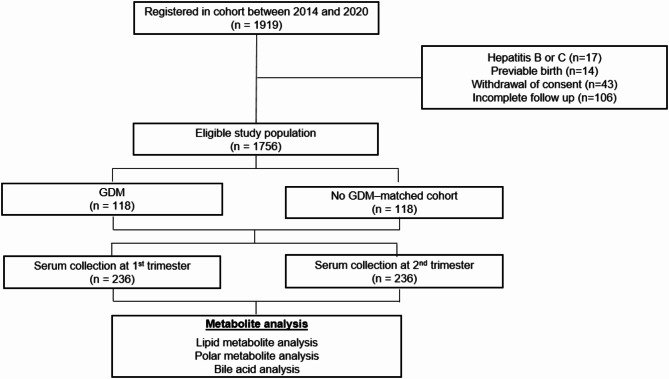
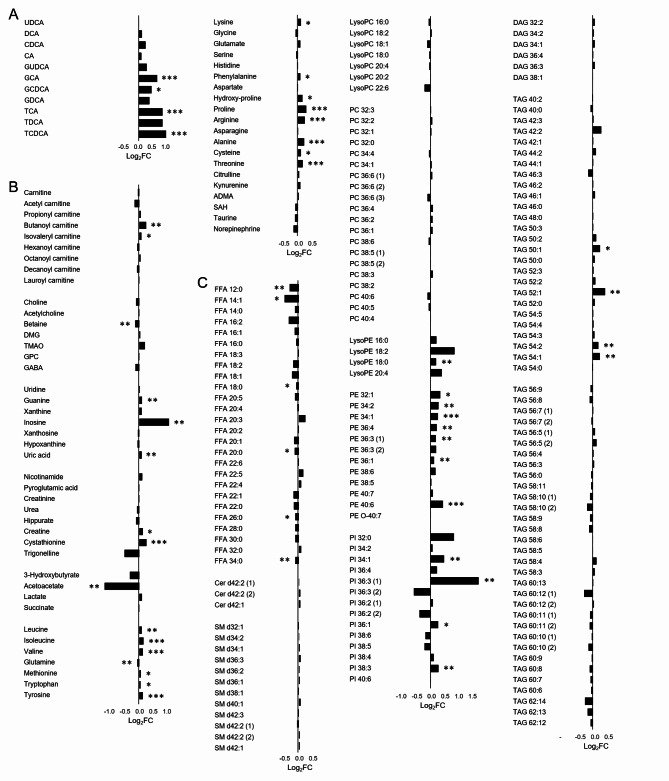
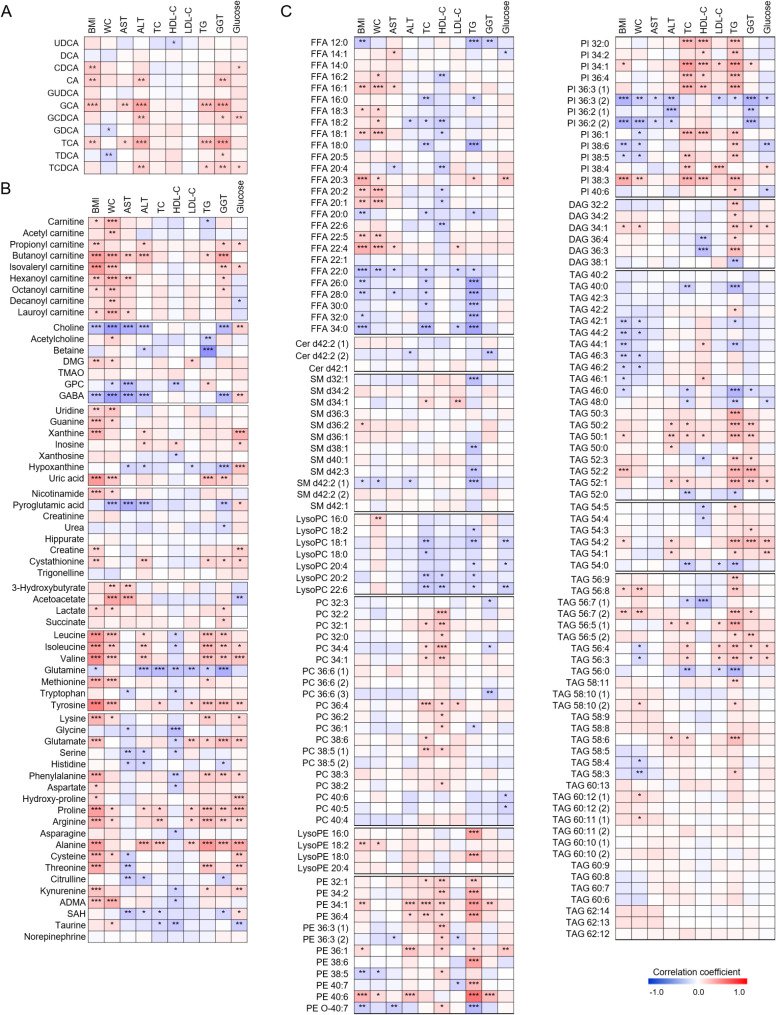
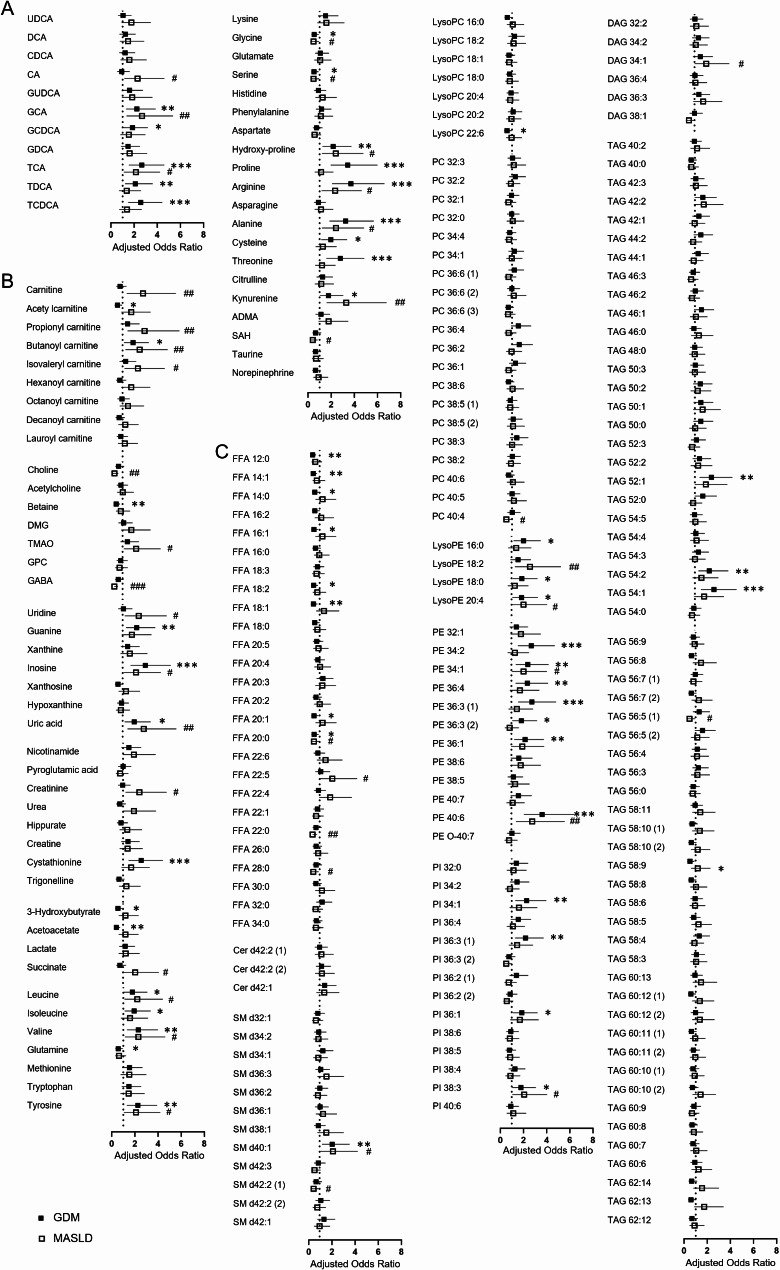
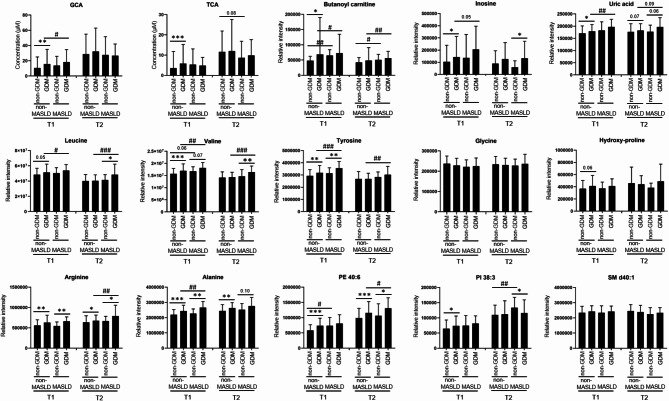
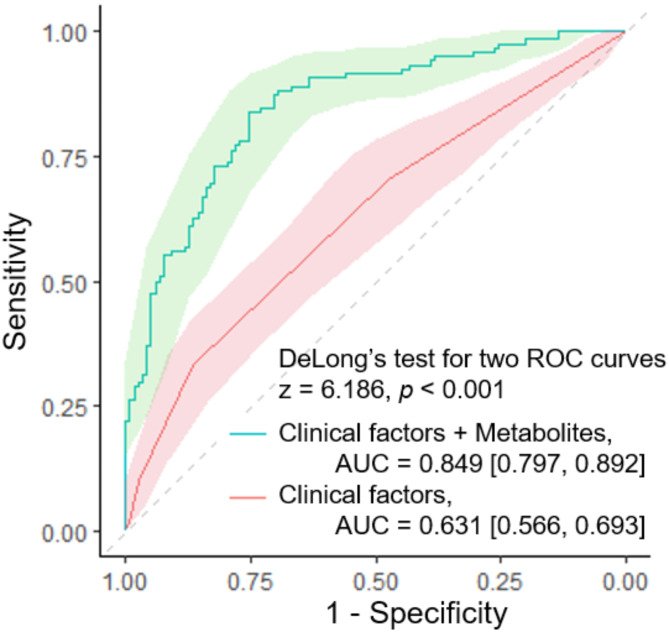
그림 출처: PubMed Central 공개 논문 (PMC11927189)
Conflict of interest statement
Declarations. Competing interests: The authors declare no competing interests.
그 밖의 정보
- 출판 형태
- Journal Article, Research Support, Non-U.S. Gov't
- 저널
- Cardiovascular diabetology · eISSN 1475-2840
- 전자 출판
- 2025-03-20
- MeSH
- Humans · Female · Pregnancy · Diabetes, Gestational* / blood / diagnosis / epidemiology · Biomarkers / blood · Metabolomics* / methods · Adult · Case-Control Studies · Predictive Value of Tests · Risk Factors · Fatty Liver* / blood / diagnosis / epidemiology · Risk Assessment · Gestational Age · Pregnancy Trimester, First / blood
- Substances
- Biomarkers
- 연구비
- Korea Basic Science Institute A423200 · National Research Foundation of Korea (NRF) 2022M3H9A2096189 · National Research Foundation of Korea (NRF) 2021R1A2C2005820 · Patient-Centered Clinical Research Coordinating Center (PACEN) RS-2021-KH120178 · Korea National Institute of Health (KNIH) 2022ER090202
- 참고문헌
- 48편