
Int J Infect Dis. 2022;118:173-182.
Adverse events following COVID-19 vaccination in South Korea between February 28 and August 21, 2021: A nationwide observational study.
제1저자 이동석 · 교신저자 김지원
소속 (5)
- Department of Internal Medicine, Seoul National University Boramae Medical Center, Seoul National University College of Medicine, Seoul, Korea. Electronic address: easeagle@naver.com.
- Department of Internal Medicine, Seoul National University Boramae Medical Center, Seoul National University College of Medicine, Seoul, Korea. Electronic address: kjwjor@snu.ac.kr.
- Department of Internal Medicine, Seoul National University Boramae Medical Center, Seoul National University College of Medicine, Seoul, Korea. Electronic address: kllee@brmh.org.
- Department of Internal Medicine, Seoul National University Boramae Medical Center, Seoul National University College of Medicine, Seoul, Korea. Electronic address: jyj0601@snu.ac.kr.
- Department of Internal Medicine, Seoul National University Boramae Medical Center, Seoul National University College of Medicine, Seoul, Korea. Electronic address: gangmali@naver.com.
Abstract
OBJECTIVES To investigate the clinical characteristics of adverse events (AEs) after COVID-19 vaccination in patients in South Korea.
DESIGN Data from the Korean Disease Control and Prevention Agency on AEs from 4 COVID-19 vaccines, including AZD1222, BNT162b2, JNJ-78436735, and mRNA-1273, from February 26, 2021, to August 21, 2021, were assessed. The epidemiological characteristics, clinical symptoms, severity, complications, and mortality were descriptively analyzed.
RESULTS Overall, 36.3 million individuals who completed the COVID-19 vaccination doses during the study period were included, and 153,183 AEs were reported. Most AEs occurred after the first dose (80.6%) and within a day (63.2%) after vaccination. Of the AEs, 95.5% were nonsevere cases; however, 4.5% were severe. Most mild AEs showed a similar frequency across all age groups, but major severe AEs and mortality events increased with age.
CONCLUSIONS Although there were differences in the frequency of occurrence, various adverse reactions were confirmed in using all 4 COVID-19 vaccines, even with the BNT162b2 (Pfizer-BioNTech) vaccine. Caution is needed, and further research should be continuously conducted.
Copyright © 2022 The Author(s). Published by Elsevier Ltd.. All rights reserved.
Keywords
COVID-19 vaccinesSARS-CoV-2adverse eventsvaccine reactions
Figures
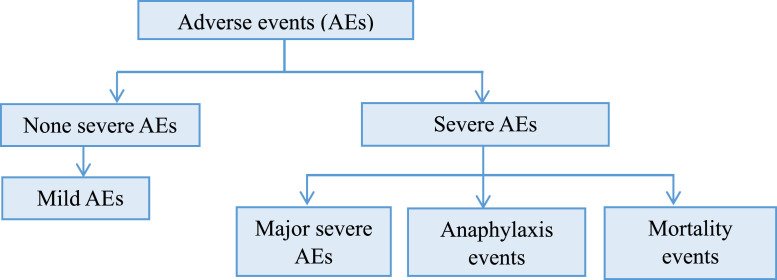
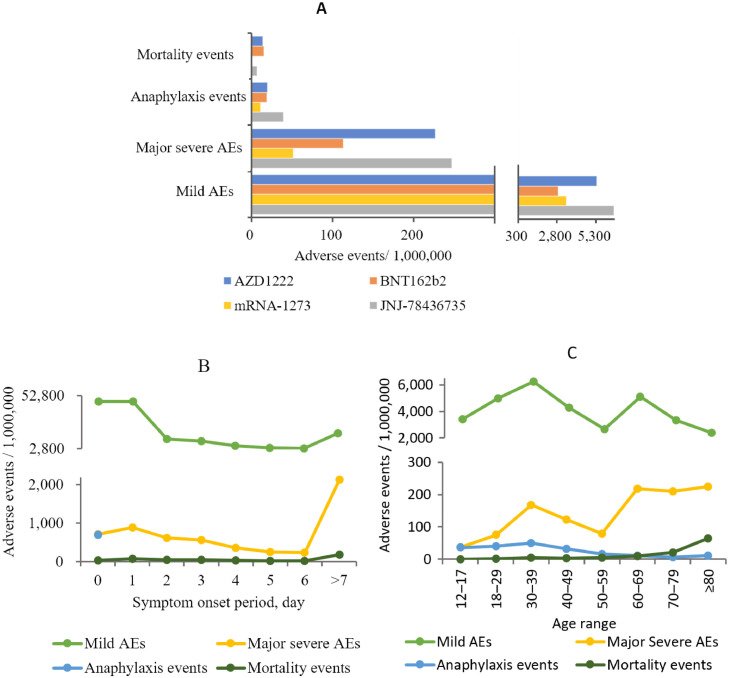
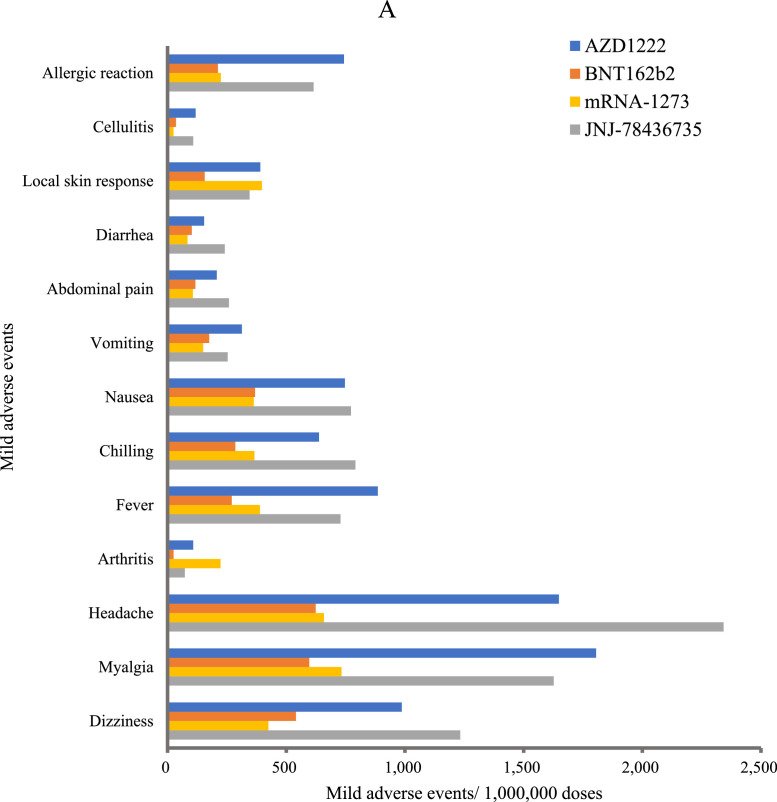
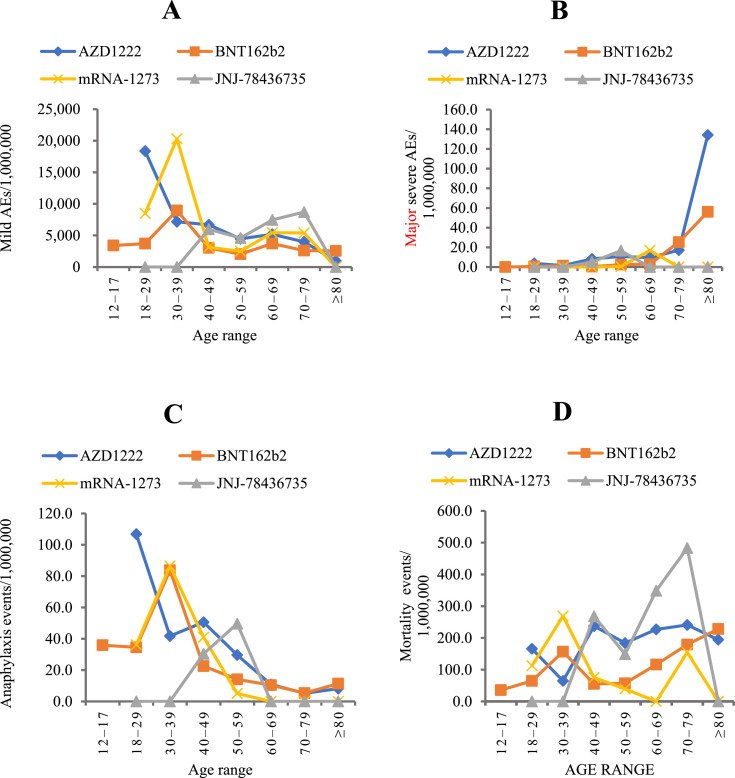
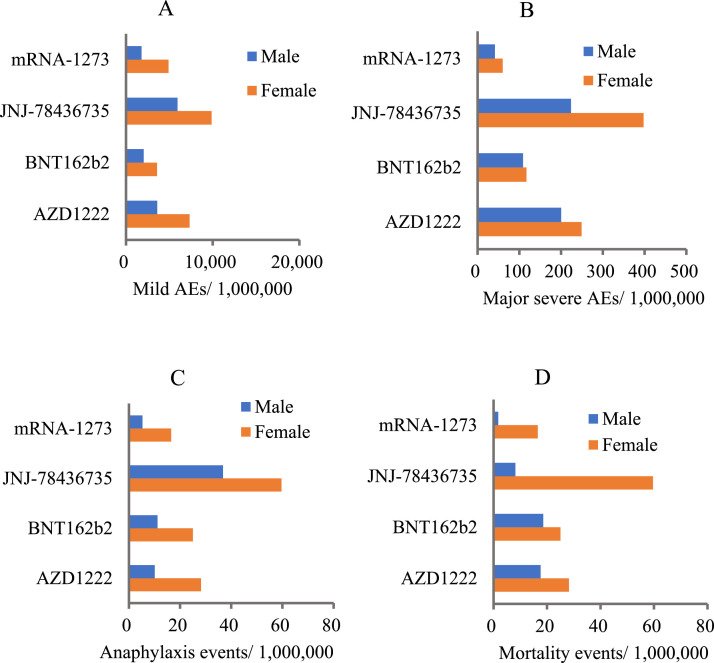
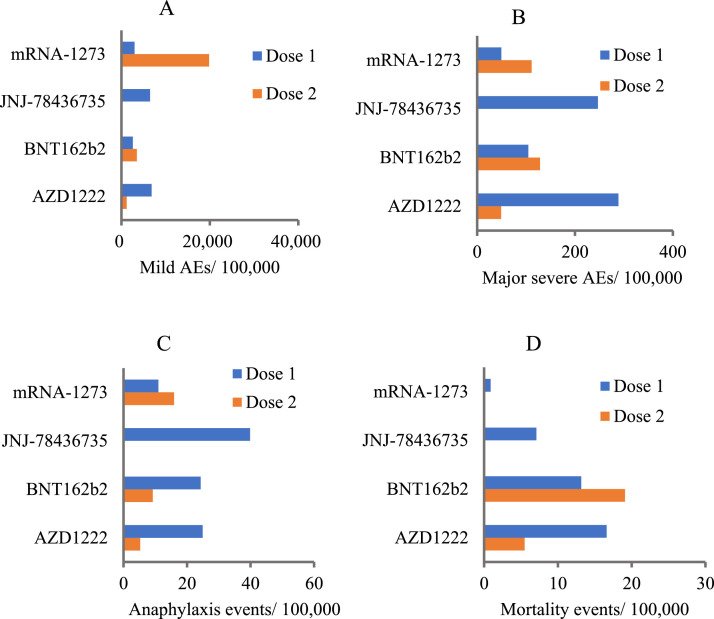
그림 출처: PubMed Central 공개 논문 (PMC8904009)
Conflict of interest statement
Declaration of Competing Interest The authors declare that they have no known competing financial interests or personal relationships that could have appeared to influence the work reported in this paper.
그 밖의 정보
- 출판 형태
- Journal Article, Observational Study
- 저널
- International journal of infectious diseases : IJID : official publication of the International Society for Infectious Diseases · eISSN 1878-3511
- 전자 출판
- 2022-03-09
- MeSH
- Ad26COVS1 · BNT162 Vaccine · COVID-19* / epidemiology / prevention & control · COVID-19 Vaccines* / adverse effects · ChAdOx1 nCoV-19 · Humans · Republic of Korea / epidemiology · SARS-CoV-2 · Vaccination / adverse effects
- Substances
- Ad26COVS1 · BNT162 Vaccine · COVID-19 Vaccines · ChAdOx1 nCoV-19
- 참고문헌
- 28편