
Gastroenterol Res Pract. 2015;2015:126532.
Hepatitis B virus-related glomerulonephritis: not a predominant cause of proteinuria in korean patients with chronic hepatitis B.
제1저자 유정주, 이정훈 · 교신저자 윤정환
소속 (2)
- Department of Internal Medicine and Liver Research Institute, Seoul National University College of Medicine, Seoul National University Hospital, Seoul 110744, Republic of Korea.
- Department of Internal Medicine, Seoul National University College of Medicine, Seoul National University Bundang Hospital, Seongnam City, Gyeonggi-do, Seoul 110744, Republic of Korea.
Abstract
Background/Aims. Hepatitis B virus (HBV) can form immune complexes which may result in various types of glomerulonephritis (GN). However, proteinuria can occur because of other kidney diseases besides HBV-related GN (HBV-GN). The aim of this study is to elucidate the causes of proteinuria and report on the clinical outcomes of HBV-GN. Methods. We reviewed the medical records of patients positive for serum hepatitis B surface antigen who underwent renal biopsies due to proteinuria at a tertiary medical center in Korea. Results. A total of 55 patients were included. HBV-GN was diagnosed in 20 (36.4%) of the patients by confirming the presence of immune complexes (12 of 13 membranoproliferative glomerulonephritis, 7 of 8 membranous glomerulonephritis, and 1 of 13 immunoglobulin A nephropathy). Twenty-one patients had other types of GN. A total of 13 (65%) HBV-GN patients were treated with antiviral agents for a median of 11 months. However, the degrees of proteinuria were not significantly reduced in the antiviral intervention group when compared to the control group. Conclusions. Proteinuria can be caused by various glomerular diseases and HBV-GN accounts for one-third of total GN cases. Well-designed prospective study is needed to assess whether antiviral therapy against HBV infection may improve the prognosis of HBV-GN.
Figures
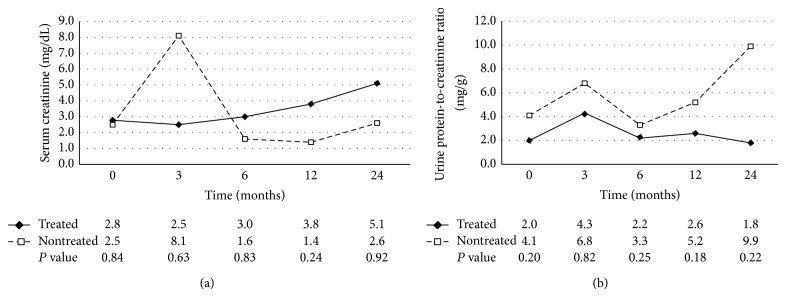
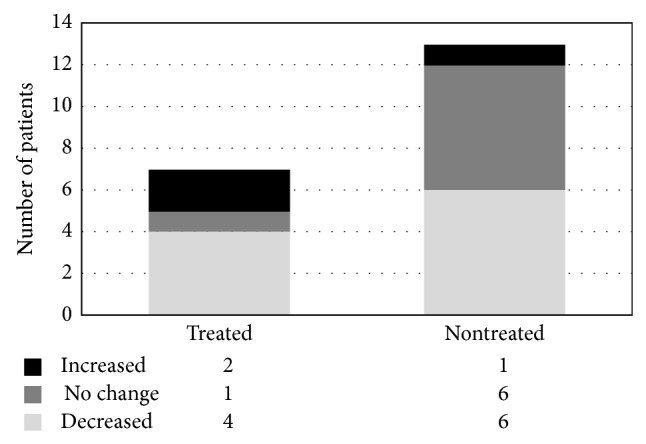
그림 출처: PubMed Central 공개 논문 (PMC4348579)
그 밖의 정보
- 출판 형태
- Journal Article
- 저널
- Gastroenterology research and practice · ISSN 1687-6121
- 전자 출판
- 2015-02-18
- 참고문헌
- 26편